

Pre-engineered metal buildings have revolutionized the approach to construction projects across Wisconsin. After 30 years of delivering pre-engineered steel building solutions from our Jefferson location, Foremost Buildings has seen these structures evolve from simple agricultural buildings to sophisticated facilities serving every industry imaginable. Whether you’re planning a warehouse, office complex, or specialty facility, understanding how pre-engineered buildings work can help you make the right decision for your project.
Pre-engineered metal buildings in Jefferson, Wisconsin, use precision-engineered components that fit together efficiently, reducing construction time and costs. These versatile structures provide clear-span interiors, durable materials, and flexible designs that meet the needs of agricultural, commercial, and industrial applications while ensuring long-term performance in harsh Midwest climates.
Understanding Pre-Engineered Metal Building Systems
Pre-engineered buildings represent a fundamentally different construction approach that offers significant advantages over traditional building methods. The system combines advanced engineering with streamlined manufacturing to deliver structures that meet specific performance requirements while reducing construction complexity.
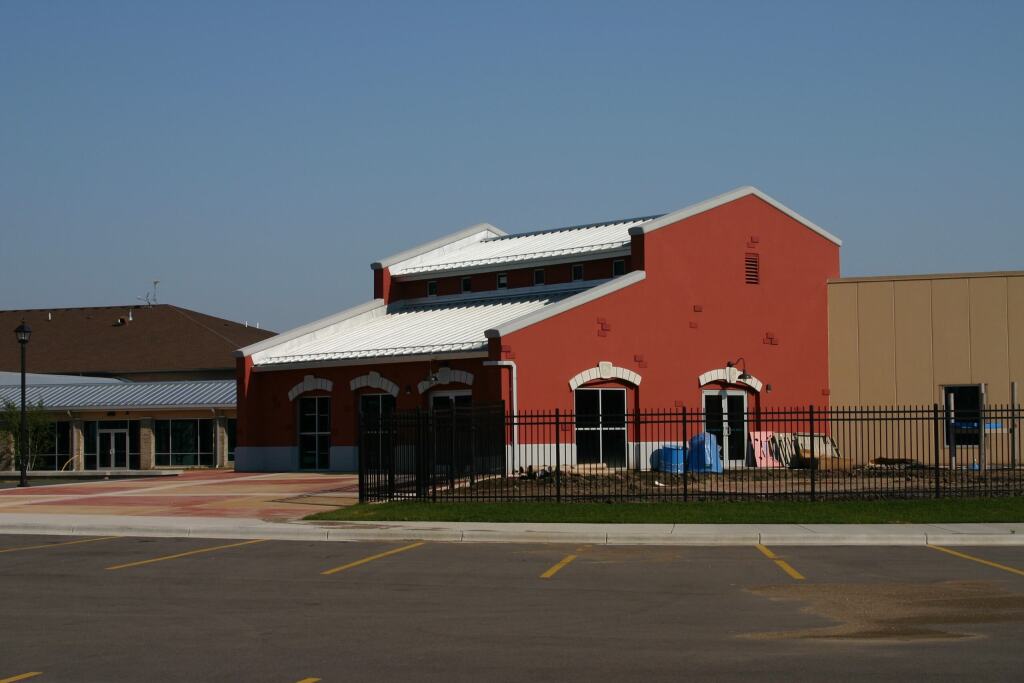
How Pre-Engineered Components Work Together
Pre-engineered metal buildings use precision-engineered components designed to work as an integrated system. The structural framework, wall panels, roofing, and accessories are all manufactured to exact specifications before being delivered to your site. This prefabricated approach ensures that every piece fits together properly without requiring field modifications or delays.
Our premium-grade, weather-resistant steel components include the structural framing, exterior panels, and specialized elements like eave struts and trim pieces. The efficient assembly process stems from this systematic approach, where each component has a specific function and a corresponding installation sequence.
Property owners across Jefferson appreciate how this method eliminates the coordination problems typical of conventional construction, where multiple trades work independently without integrated planning.
Industries That Benefit from Pre-Engineered Buildings
Pre-engineered metal buildings serve virtually every industry because the flexible design system adapts to different functional requirements. Agricultural operations use them for livestock barns, grain storage, and machinery sheds. Commercial businesses choose them for retail buildings, office campuses, and auto dealerships.

Industrial applications include warehousing and logistics facilities, fabrication shops, fleet storage, and manufacturing lines. Municipal clients build fire departments, public works garages, and community centers. Transportation agencies construct bus garages, equipment wash bays, and maintenance facilities.
Recreation facilities, such as gymnasiums, community recreation centers, and event halls, benefit from the expansive open designs made possible with pre-engineered systems. Even specialized applications, such as contractor shops, storage buildings, and multi-bay workspaces, work well with this construction approach.
Clear Span Interiors That Maximize Usable Space
One of the most valuable features of pre-engineered buildings is their ability to create clear span interiors without interior support columns. This design capability stems from the engineered framework, which carries all structural loads through the perimeter structure.
Clear-span design means you can utilize 100% of your floor area for operations, storage, or equipment. Agricultural buildings benefit because large machinery can move freely throughout the space. Warehouses maximize storage density without working around support columns. Manufacturing facilities can arrange their production lines to optimize workflow.
The scalable floor plans made possible with pre-engineered systems allow you to start with the space you need today while planning for future expansion. The structural system supports modifications and additions without compromising the original building’s integrity.
Materials and Construction Features
Pre-engineered buildings use weather-resistant steel designed specifically for harsh climates like Wisconsin’s extreme weather conditions. The materials resist corrosion and maintain their structural properties through freeze-thaw cycles, heavy snow loads, and humidity variations common across our Midwest service area.
Customization options include doors, windows, colors, and finishing details that match your specific requirements. Exterior ready shells provide a professional appearance while accommodating signage, landscaping, and architectural features that enhance your facility’s image.
Roll-up doors, custom bay doors, and specialized access points integrate seamlessly with the building system. High clearance drive-through designs accommodate large vehicles and equipment. The low-maintenance shell materials reduce ongoing operational costs.
Our Design and Construction Process
We provide comprehensive design support from concept to completion, utilizing our whole in-house team of estimators, engineers, and building specialists. This integrated approach eliminates the delays and coordination problems that occur when design and construction responsibilities are split between multiple companies.
Our no-outsourcing policy means you work directly with the people responsible for every aspect of your project. Jerry Kitzman, PE, leads our engineering team to ensure all structural and technical requirements meet current codes and performance standards.
The transparent estimates we provide include all components and services needed for your specific application. Purpose-fit design options ensure your building functions exactly as your operation requires rather than forcing you to adapt to standard configurations.
Professional Erection Services
Pre-engineered buildings require experienced crews who understand the assembly process and the connections between components. Our partnership with Sumit City Steel ensures safe, efficient, and high-quality installations that meet our construction standards.
The fast installation possible with prefabricated components means quicker build timelines, which get your facility operational sooner. This becomes especially important for businesses that need to start generating revenue or agricultural operations with seasonal deadlines.
Professional erection ensures warranty compliance and proper assembly, delivering the performance characteristics engineered into the building system.
Service Throughout Wisconsin and the Midwest
From our Jefferson, Wisconsin, location, we serve clients throughout Wisconsin and across the Midwest, including Illinois, Indiana, Iowa, Michigan, Minnesota, Missouri, Ohio, and Oklahoma. This regional experience enables us to understand local building codes, climate considerations, and construction practices.
Our hundreds of completed projects demonstrate proven capability across diverse applications and challenging site conditions. The one-on-one support we provide continues throughout the project timeline and beyond completion.
Conclusion
Pre-engineered metal buildings offer a proven solution for virtually any construction need. The combination of engineering expertise, quality materials, and streamlined construction delivers facilities that perform reliably for decades.
Contact us or email support@foremostbuildings.com to discuss how pre-engineered metal buildings can meet your specific project requirements in Jefferson, Wisconsin, and throughout the Midwest.
FAQs
What makes pre-engineered buildings different from conventional construction?
Pre-engineered buildings use precision-engineered components designed as an integrated system, with prefabricated parts manufactured to exact specifications. This eliminates field modifications and coordination problems common with conventional construction, where multiple trades work independently.
Can pre-engineered buildings meet the diverse requirements of different industries?
Yes, pre-engineered systems serve a wide range of applications, including agriculture, commercial, industrial, municipal, transportation, recreation, and specialty sectors. The flexible design system adapts to various functional requirements, ranging from livestock barns to manufacturing facilities and gymnasiums.
How do clear-span interiors benefit different building uses?
Clear-span interiors eliminate interior support columns, allowing for the full utilization of the floor area. Agricultural buildings accommodate significant machinery movement, warehouses maximize storage density, and manufacturing facilities can arrange optimal production workflows without structural obstacles.
What’s included in your design support for pre-engineered buildings?
Foremost Buildings provides design support from concept to completion, utilizing our entire in-house team of estimators, engineers, and building specialists. This includes transparent estimates, purpose-fit design options, and one-on-one support throughout the project timeline.