
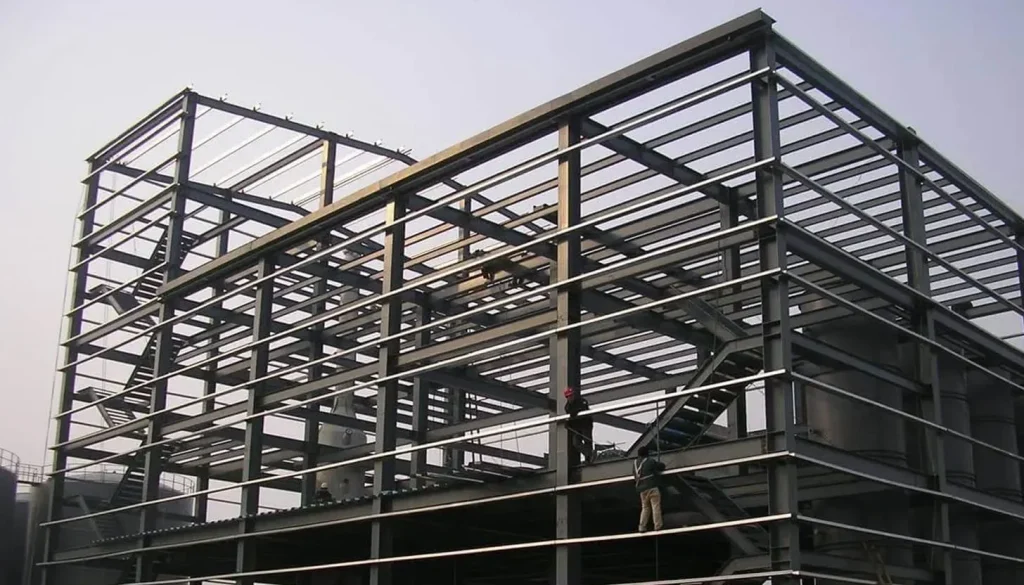
The construction of metal buildings has been a leading, cost-effective solution in contemporary construction. Steel buildings are incredibly flexible, strong, and efficient in warehouses, agricultural barns, and commercial facilities. Learning about the various types of steel buildings, construction technologies, and classification systems can help the buyer make more informed decisions.
The guide describes the construction process for metal buildings, the most commonly used types, and how to select an appropriate structure based on use, budget, and anticipated lifespan. Whether you are comparing prefabricated metal and steel buildings or planning a unique project, this guide will provide the transparency you need to proceed with confidence.
Introduction to Metal Building Construction
Metal building construction refers to the construction of buildings using engineered steel as the primary material. These structures are made fast, strong, and flexible. Prefabricated steel buildings have become the leading product in the market today because they are manufactured off-site and assembled quickly on-site. This technique helps minimise work expenses, construction time, and material waste.
Steel buildings, compared to traditional construction, perform better in extreme weather conditions and require less long-term maintenance. Due to increased demand, trusted steel building suppliers have been upgrading their designs to serve commercial, agricultural, and residential applications.
What Is a Metal Building?
A metal building is a structure whose support system consists of steel frames, columns, and panels. Conventional structures do not bind these constructions; unlike conventional construction, these buildings are built with engineered components that ensure accurate load distribution and structural integrity.
Contemporary steel construction is characterised by the sturdiness of steel structures that are fire-, rodent-, and corrosion-resistant. These choices include complete designs to ready-to-steel building kits that are easy to install due to their construction. The storage facilities, workshops, offices, and even homes are mostly made of metal buildings because of their longevity and their ability to be remodelled and customised.
Metal Building Classifications
Fire-Resistance Classifications (Type 1 vs Type 2 vs Others)
Metal-structure buildings are usually categorised by fire resistance and structural protection. Type 1 buildings offer the highest fire resistance; therefore, they can be used in industrial and commercial buildings. Type 2 buildings provide a medium level of protection and are commonly used for warehouses and steel sheds.
There are other classifications for non-combustible or semi-protected structures. The decision on the appropriate classification is based on building codes, the purpose of use and insurance. Safety compliance and long-term performance are provided with proper classification.
Main Types of Metal Building Construction
Pre-Engineered Metal Buildings (PEMB)
Pre-engineered steel buildings are factory-designed systems in which all components are produced to specifications. These buildings reduce construction time and use steel more efficiently than conventional methods. PEMBs are also familiar with warehouses, retail areas, and industrial facilities due to their strength and efficiency.
Light-Gauge Steel Construction
Light-gauge steel buildings use thinner steel sections and are suitable for small commercial or residential projects. They are flexible and structurally reliable and are usually used together with contemporary insulation.
Structural Steel Frame Buildings
The frame buildings are constructed of structural steel, with heavy beams used to maximise load capacity. The buildings are designed to have the best performance when it comes to large spans and high traffic facilities that demand outstanding durability.
Common Metal Building Styles and Uses
Commercial Metal Buildings
Business establishments usually require open, spacious interiors and short construction schedules. Steel buildings are meeting these needs without compromising cost-effectiveness or value retention.
Agricultural Metal Structures
Barns and storage facilities are also valuable for agriculture because steel is not susceptible to moisture and pests. Farmers mainly use gable steel building forms for their ventilation and space-saving features.
Residential and Personal Projects
Steel garages, workshops and barndominiums: Customisation and strength. Quonset steel structures also provide effective personal storage because their curved design makes them weather-resistant.
Step-by-Step Guide to Metal Building Construction
Site Evaluation and Planning
Proper planning begins with site assessment, zoning, and soil analysis. These measures ensure the foundation has a steel structure that provides safe support.
Design & Engineering
Engineering involves determining load capacity, roof style, and insulation requirements. This step determines the cost of building steel and performance in the long run.
Materials and Panel Selection
Durability and appearance depend on panel thickness, coats, and finishes. Optimally insulating steel buildings enhances energy efficiency.
Cost, Timeline, and Project Factors
Estimated Costs
The price per square foot to construct a steel building varies with size, location, and customisation. Pricing is also affected by the quality of materials and labour.
Expected Construction Timeline
The majority of prefabricated constructions takes less time than conventional construction because of off-site construction.
Factors That Impact Cost & Time
The design’s complexity, the type of foundation, insulation, and regional pricing may influence timelines and investment.
Benefits of Metal Buildings
Constructing steel buildings has the advantage of being long-lasting, quickly built, low-maintenance, and customizable. Steel products are eco-friendly and recyclable, making them a sustainable alternative. Their power time is wide-open interiors without support columns. When fitted with adequate insulation and coverings, steel structures are energy-efficient and can withstand the weather for longer than conventional materials.
Challenges and What to Consider Before You Build
Buyers need to take into account local building codes, climate, and insulation requirements before construction. A comparison between pole barn and steel building options can help determine which is best when budget and use are the concerns. Long-term success also depends on maintenance planning and the selection of reputable suppliers.
Frequently Asked Questions
How do steel building types differ?
The designs are commercial, agricultural, and residential, depending on the structure and loading requirements.
What is the difference between a pole building and a steel building?
Pole buildings are constructed with wooden posts, whereas steel buildings are more durable and require less maintenance.
Are prefab metal and steel buildings cost-effective?
Yes, prefab systems reduce labour costs and construction time.
What insulation works best for steel buildings?
Options such as fibreglass and spray insulation for steel buildings will enhance thermal efficiency.
Conclusion
The construction of metal buildings is robust, flexible, and highly applicable. Understanding classifications, costs, and construction types can help ensure that decisions and long-term performance are better informed. Whether you have a warehouse, an agricultural facility, or a personal project in mind, the choice of provider determines the outcome. ForeMost Buildings Inc. has been offering quality steel building solutions that deliver durability, efficiency, and long-lasting value.