
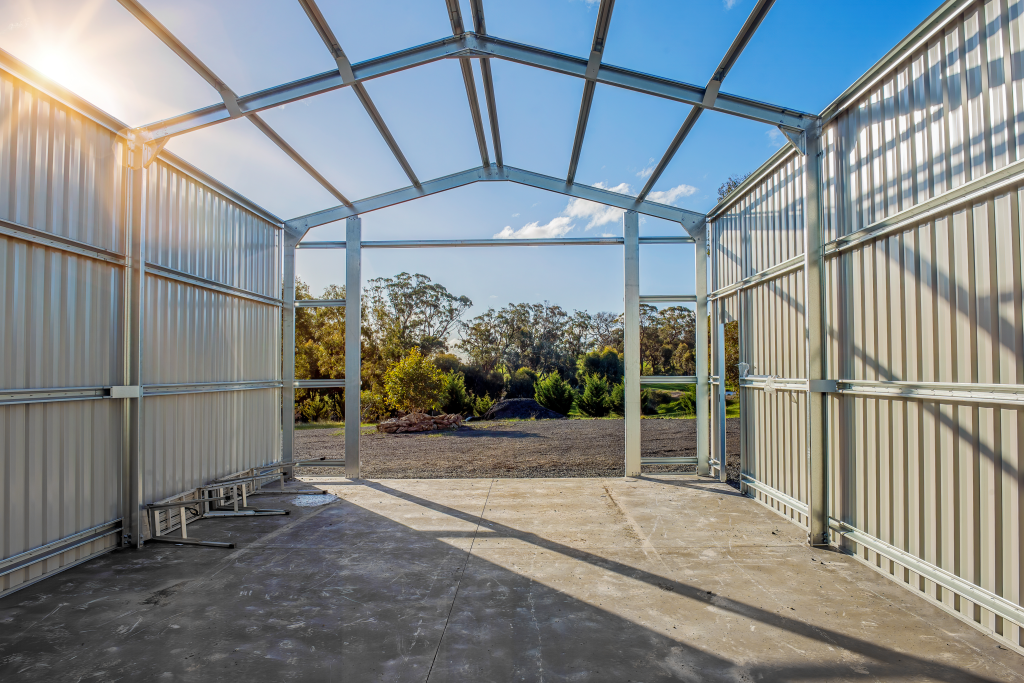
Wisconsin farming operations face unique challenges that demand buildings capable of withstanding harsh winters, heavy snow loads, and year-round agricultural demands. Over the past 30 years, as we have constructed agricultural buildings across Wisconsin and the Midwest, a clear trend has emerged. Farmers who once automatically chose wood construction are increasingly opting for steel barn construction in their livestock barns, machinery sheds, and grain storage facilities.
Wisconsin farmers are switching from wood to steel barn construction because steel buildings withstand harsh weather, heavy snow, and temperature swings better than wood. They offer open interior space, customizable ventilation, faster construction, and long-term cost savings through minimal maintenance and superior durability suited to modern agricultural demands.
Practical Advantages: Why Wisconsin Farmers Choose Steel Barns
Smart farmers evaluate building materials based on how well they support their operation’s long-term success. Steel construction offers measurable advantages that directly impact both daily operations and financial returns over the course of decades of use.
Weather-Resistant Performance Through Wisconsin’s Harsh Climate
Wisconsin’s extreme weather conditions test every building material. Our weather-resistant steel construction withstands the heavy snow loads, ice storms, and temperature swings that can damage wood structures over time. The corrosion-resistant materials we use maintain their structural integrity even in harsh climates, without the rot, insect damage, or warping issues common with wooden barns.
Farmers across Jefferson and throughout Wisconsin tell us that their steel barns consistently perform year-round, protecting valuable livestock and equipment regardless of weather conditions. The precision-engineered components create buildings that handle extreme loads without compromising safety or functionality.
Clear Span Interiors
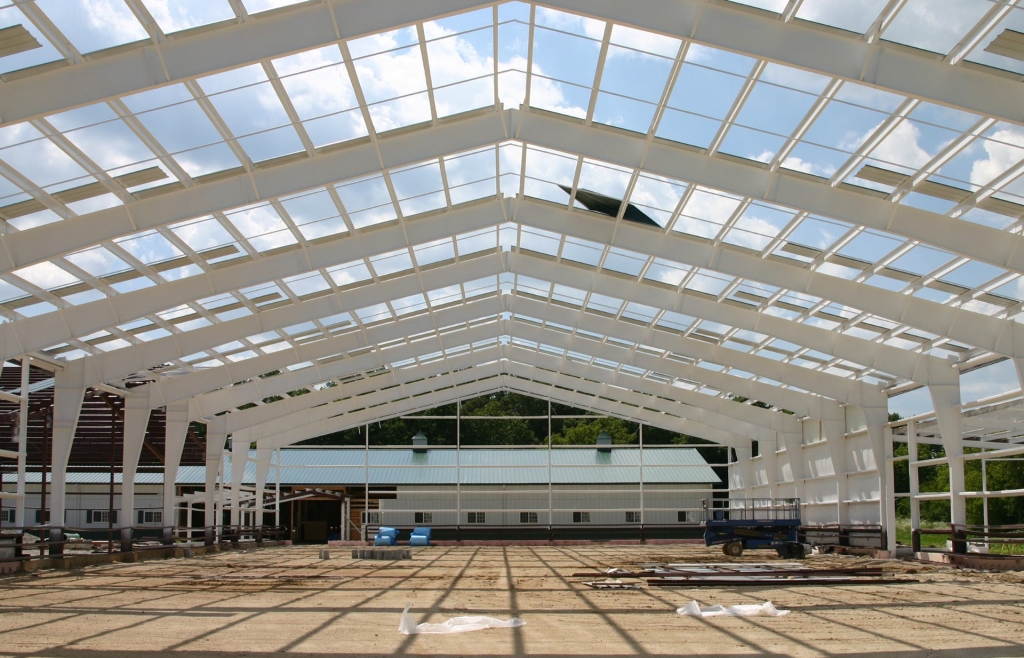
Modern farming equipment continues to grow in size, and clear-span interiors eliminate the interior posts that previously limited equipment movement and storage flexibility. Whether you’re housing large tractors in machinery sheds or creating open spaces for livestock in calving shelters, the unobstructed interior space improves workflow and efficiency.
This design flexibility becomes especially valuable as operations evolve. The same building that houses equipment today can be reconfigured for different uses tomorrow without structural modifications. Wood frame construction typically requires support posts that permanently limit the use of the space.
Custom Ventilation and Access Points
Proper ventilation has a direct impact on livestock health and productivity. Wisconsin farmers choose steel barns because they allow for fully customizable ventilation and access points that meet the specific needs of each operation. The precision-engineered steel design enables optimal air circulation, keeping animals comfortable while preventing moisture buildup that can damage feed and equipment.
The ability to customize door locations, window placement, and ventilation systems ensures that each building operates exactly as your operation requires. These features are designed into the building from the start rather than added later as afterthoughts.
Long-Term Savings Over Wood Builds
The financial advantages of steel construction become clear over time. Steel barns require minimal maintenance compared to wood structures that need regular painting, repair, and eventual replacement of deteriorated components. The low-maintenance materials we use save both time and money, which can be reinvested in your farming operation.
Steel’s durability ensures that these buildings serve your operation for decades without requiring major repairs or structural concerns. While wood barns may cost less initially, the long-term savings over wood buildings make steel the more economical choice for serious farming operations.
Our In-House Team Understands Agricultural Construction
Agricultural buildings require specialized expertise that goes beyond standard commercial or industrial construction. Wisconsin farmers choose steel barns because our in-house team of estimators, engineers, and building specialists understands the unique demands of farming operations. Foremost Buildings handles every detail ourselves rather than outsourcing critical work to third parties who may not fully grasp the specific needs of agricultural construction.
This expertise is evident in details such as proper drainage design, equipment door sizing, and structural considerations for feed storage loads. Our partnership with Sumit City Steel for erection services ensures that we have experienced crews who understand the specific requirements of agricultural construction.
Prefabricated Components Speed Up Construction
Farming schedules don’t wait for construction delays. Our prefabricated components enable fast installation, minimizing disruption to your operation. The precision-engineered pieces arrive ready for efficient assembly, reducing the time your operation spends on construction activities.
Fast build timelines become especially important when you need buildings completed before harvest season or in time for livestock housing needs. Traditional wood construction often faces weather-related delays and material availability issues that can unpredictably extend construction schedules.
Service Across Wisconsin and the Greater Midwest
From our Jefferson, Wisconsin, location, we serve agricultural operations throughout Wisconsin and across the Midwest, including Illinois, Indiana, Iowa, Michigan, Minnesota, Missouri, Ohio, and Oklahoma. This regional experience enables us to understand local agricultural practices, climate considerations, and building code requirements.
Even if you’re expanding an existing operation or building new facilities, we provide the same design support, from concept to completion, and transparent estimates that help you plan your investment with confidence.
Conclusion
The transition from wood to steel barn construction represents a strategic decision that impacts your operation for decades to come. Steel buildings offer the reliability, flexibility, and long-term value that modern farming operations require.
Contact us or email support@foremostbuildings.com to discuss how steel barn construction can benefit your Wisconsin farming operation.
FAQs
How do steel barns handle Wisconsin’s heavy snow loads compared to wood construction?
Steel barns utilize precision-engineered components designed to withstand extreme loads and harsh climates. The weather-resistant steel maintains structural integrity through heavy snow, ice storms, and temperature swings that can damage wood structures over time.
What ventilation options are available for livestock barns?
We provide custom ventilation and access points designed specifically for your operation’s needs. The precision-engineered design allows for optimal air circulation while preventing moisture buildup, with customizable door locations, window placement, and ventilation systems.
How do clear-span interiors benefit farming operations?
Clear-span interiors eliminate interior posts that limit equipment movement and storage flexibility. This design accommodates large modern farming equipment and allows buildings to be reconfigured for different uses as operations evolve.
What makes steel barns more cost-effective long-term than wood construction?
Steel barns require minimal maintenance compared to wooden structures, which often necessitate regular painting, repair, and component replacement. The long-term savings over wood buildings come from reduced maintenance costs and decades of reliable performance without major repairs.