
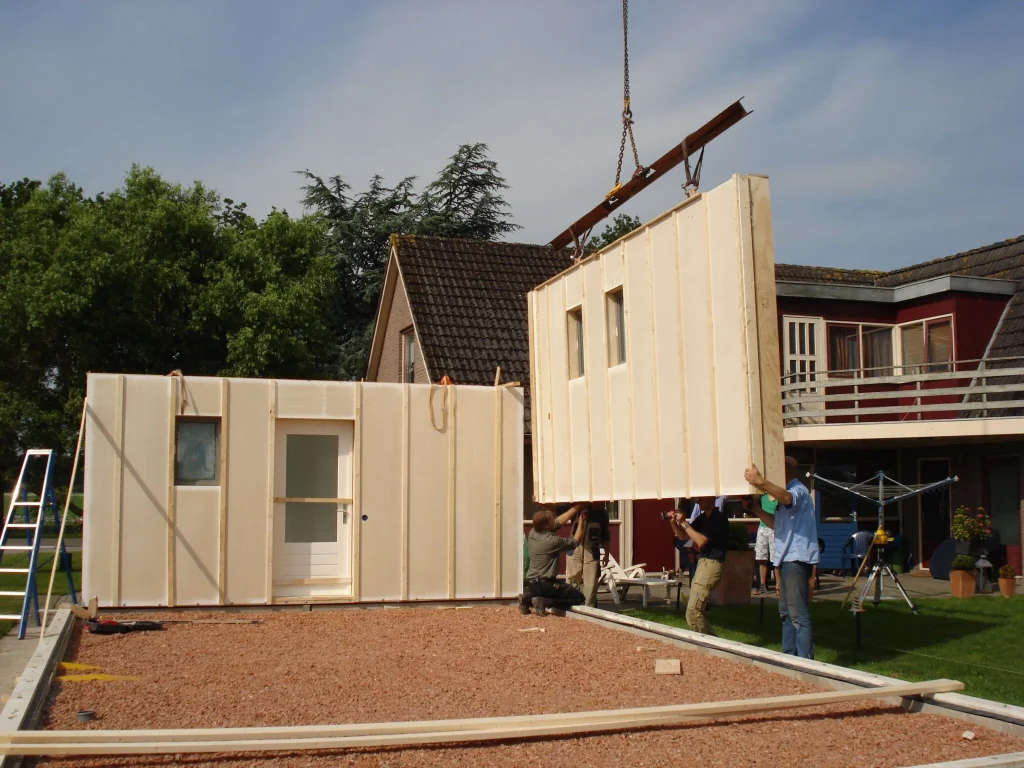
Prefabrication has emerged as a smart alternative to traditional construction, offering faster timelines, greater quality control, and cost efficiency. As modern construction demands precision and reliability, prefabricated buildings and homes are becoming increasingly popular across residential and commercial projects.
Understanding the pros and cons of prefabrication helps builders and homeowners make informed decisions. At ForeMost Buildings Inc, we specialise in prefabricated solutions that balance efficiency, durability, and design flexibility for modern construction needs.
Understanding What Prefabrication Means in Modern Construction
Many people ask: What is prefabrication, given that construction methods are also changing? Prefabrication is the construction process in which structural elements are produced in factories under controlled conditions and assembled at the final location. This contrasts with traditional construction, in which all work is done on-site.
Prefabrication in construction today is primarily used in residential, commercial, and industrial projects, as it improves accuracy and reduces delays caused by weather or workforce shortages. This approach enables building contractors to deliver faster, more consistent outputs, whether for walls, roof panels, or the entire prefabricated building system.
Developers and homeowners interested in reliable, adequate housing are considering prefabricated solutions.
The Rise of Prefabricated Homes and Modern Living
Prefabricated homes have surged in popularity amid growing demand for innovative housing solutions. These houses are constructed using standardised materials to ensure quality and reduce construction time. Prefabricated houses offer versatile, up-to-date designs and reliable schedules, unlike traditional construction. Most buyers opt for prebuilt homes because they reduce construction stress and are durable.
Prefabricated home options suit a range of lifestyles, from small living units to high-end designs. As energy efficiency and personalisation become the most critical concerns, the prefabricated housing market is growing worldwide, offering a balance of price, speed, and durability.
Exploring Prefab, Modular, and Pre-Built Housing Options
Prefab is an umbrella term that encompasses various types of housing. Prefab modular houses are designed in modules and delivered to the site, where the modules are assembled to create a flexible, scalable design. Ready-made and pre-made houses are usually standardised in their layouts, saving time and reducing construction costs.
The alternatives, such as house-building kits, allow homeowners to invest in building assembly without sacrificing professional engineering standards. Prefab does not imply simple, as brands like Method Homes have popularised high-end prefab designs. Modern prefab solutions offer a wide range of architectural designs and functional advantages, from compact urban housing to spacious family living.
Regional and Innovative Prefab Housing Trends
Prefab housing has evolved to meet regional needs and new ideas. For example, prefab homes in Wisconsin are built to withstand cold climates while remaining energy-efficient. Prefabricated houses are widely used to provide affordable, quick housing solutions in Europe and Latin America. New ideas, such as the foldhouse, include portable, small-scale houses suitable for remote areas or temporary housing.
These developments indicate that prefabricated housing is continuing to push beyond conventional boundaries. As people demand greater flexibility in their living spaces, regional prefab enables builders to comply with local standards, climate conditions, and lifestyle requirements without compromising construction quality.
Pros and Cons of Construction Work Using Prefabrication
It is necessary to understand the advantages and disadvantages of prefabricated construction before selecting this approach. On the upside, prefabrication in construction saves time, reduces material waste, and improves cost predictability. Production is also better in terms of safety and quality consistency, which the factory controls.
Limitations, however, can include transportation costs, site access challenges, and design restrictions in highly customised projects. Nevertheless, most developers are finding that its advantages outweigh its disadvantages, particularly in residential and commercial projects. Prefabrication is a viable alternative to conventional construction when implemented appropriately, delivering efficiency and performance.
Cost, Value, and the Best Prefab Housing Choices
Prefab homes are cheaper, depending on size, materials, and customisation, but, in most cases, offer better value than traditional homes. Shoppers seeking the most preferred prefab houses or prefab homes benefit from reduced construction time and labour costs. Building systems can also be prefabricated to improve budget control, as most costs are set in the initial stages.
Luxury Finishing, while it can increase costs, prefab homes typically deliver long-term cost savings through energy efficiency and minimal maintenance. Prefab solutions offer an appealing blend of low cost, quality, and design flexibility for homeowners seeking modern, affordable, durable, and adaptable homes.
FAQs About Prefabricated Construction and Homes
What is prefabrication in construction?
Prefabrication is a construction technique in which components are produced in one location and assembled in another to build quickly and efficiently.
Are prefabricated homes durable?
Yes, prefabricated housing is built under close quality control and, in many cases, exceeds standard construction requirements.
Is prefabrication cost-effective?
The prefab homes are also, in most cases, cheaper because they require less labour, have shorter schedules, and generate less material waste.
Can prefab homes be customised?
Prefab modular homes currently offer a range of layouts, finishes, and designs.
Conclusion:
Prefabrication has revolutionised the design and construction of structures. Prefabricated houses are fast, of high quality, and provide value in the long run, from revolutionary housing design to streamlined construction processes.
Whether you are building a home or a commercial building, selecting the appropriate prefab construction method can significantly impact the project’s success. ForeMost Buildings Inc. recognises the needs of modern construction and provides professionally developed prefabricated building plans that are reliable and meet the highest standards. Prefabrication enables builders and homeowners to proceed with greater confidence, efficiency, and smarter construction outcomes.