
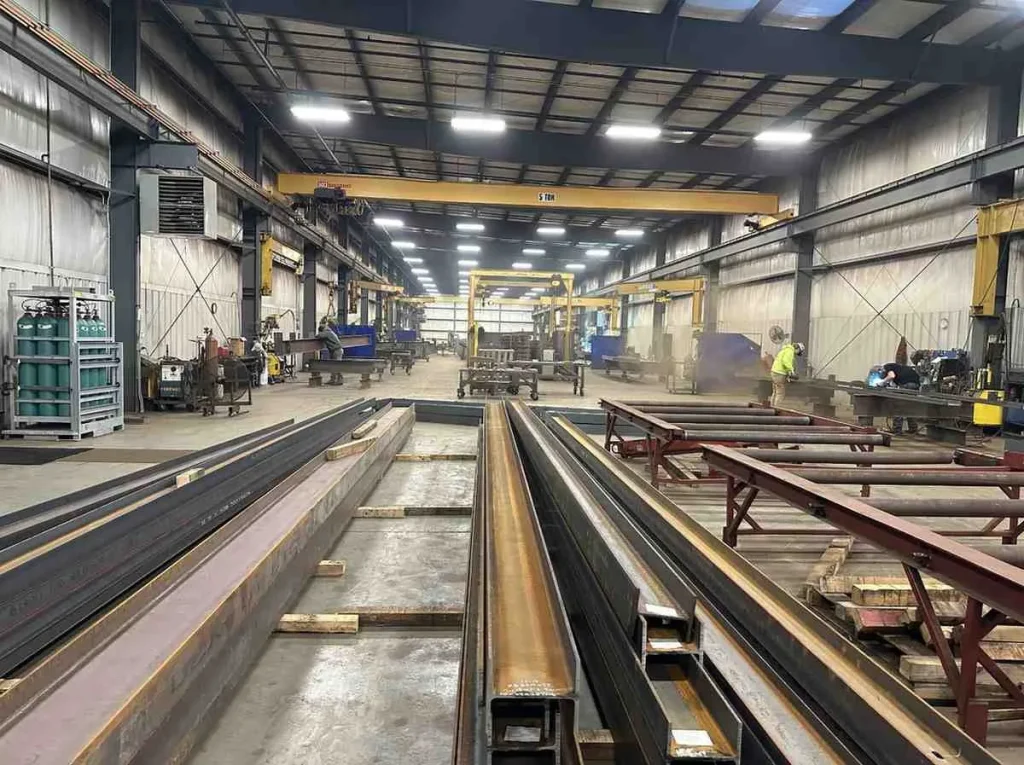
Farm equipment, industrial machinery, and commercial vehicles represent massive investments that deserve proper storage protection. However, storing heavy equipment requires more than simply erecting four walls and a roof. Load-bearing capacity calculations ensure that your foremost building can safely support concentrated weight without structural failure or floor damage. Understanding how we determine these requirements helps you plan facilities that protect equipment while meeting safety standards.
Proper load-bearing capacity is crucial for equipment storage buildings to ensure safety and prevent structural damage. Foremost Buildings evaluates factors like floor slab thickness, soil conditions, concentrated point loads, and overhead load requirements. By analyzing dynamic versus static loads, using reinforced foundations, and planning for future capacity needs, we design storage facilities that support heavy equipment efficiently and safely.
Starting with Floor Slab Design
Concrete floor slabs bear the direct weight of stored equipment. Standard 4-inch residential slabs crack quickly under tractors, forklifts, or loaded trailers. Equipment storage facilities require a minimum thickness of 6 inches with proper reinforcement. Heavy machinery exceeding 20,000 pounds may need 8-inch slabs with additional steel reinforcement or fiber mesh.
Soil conditions beneath the slab significantly affect load capacity. We evaluate soil bearing capacity through geotechnical analysis to determine whether the native soil provides adequate support or requires compacted fill material. Poor soil conditions necessitate thicker slabs or engineered foundation systems that distribute weight across larger areas.
Calculating Point Load Concentrations
Equipment weight rarely distributes evenly across floor surfaces. Wheel loads, outrigger pads, and jack stands create concentrated pressure points that exceed average weight per square foot. A 40,000-pound combine, sitting on four tires, concentrates roughly 10,000 pounds of force per tire contact patch, creating intense localized stress.
Our engineers calculate these point loads based on the equipment specifications you provide. Tire contact area, track width, and axle spacing all factor into determining the maximum pressure any single floor location must withstand. This analysis prevents floor cracking and settling that occur when point loads exceed the slab’s capacity.
Structural Framing for Overhead Loads
Equipment storage buildings sometimes require lifting equipment, overhead cranes, or suspended storage systems. These applications create vertical loads on wall columns and roof framing that standard buildings cannot handle. We engineer heavier primary framing members with appropriate connections to safely resist these additional forces.
Clear-span designs eliminate interior columns that interfere with equipment movement and storage, allowing greater flexibility in equipment placement and storage. Achieving clear spans while supporting roof loads and overhead equipment requires precise engineering. Deeper primary frames, higher-grade steel, and strategically placed moment connections provide necessary strength without cluttering interior space.
Evaluating Dynamic Versus Static Loads
Parked equipment creates static loads that remain constant over time. Moving vehicles, operating machinery, and loading activities generate dynamic loads that multiply effective weight through impact and vibration. Forklifts driving across floors, tractors entering buildings, and equipment maintenance operations all create dynamic loading conditions.
We apply safety factors accounting for dynamic loads in equipment storage facilities. These multipliers, typically 1.5 to 2.0 times static weight, ensure structures withstand real-world use rather than theoretical parked conditions. Conservative engineering prevents structural distress from occurring due to normal operational activities.
Foundation Systems for Heavy Equipment
Equipment weighing more than 50,000 pounds may require isolated pier foundations beneath primary parking areas. These reinforced concrete columns extend to stable soil layers, supporting concentrated loads without excessive settlement. Machinery positioning becomes somewhat fixed, but structural integrity remains assured for decades.
Alternatively, thickened floor sections create reinforced pads within the overall slab. This approach allows equipment repositioning while providing extra capacity where needed most. We work with owners to understand their equipment layout plans, then design foundation systems that match actual use patterns.
Accounting for Future Capacity Needs
Agricultural and industrial operations grow over time, acquiring larger equipment that exceeds original building specifications. We recommend designing for 20 to 30 percent excess capacity beyond current requirements, thereby accommodating future equipment purchases without requiring structural modifications.
This forward-thinking approach costs little extra during initial construction but prevents expensive retrofits later. Upgrading floor slabs or structural framing in occupied buildings disrupts operations and costs substantially more than building adequate capacity from the start.
Conclusion
Determining proper load-bearing capacity requires a detailed analysis of equipment weights, usage patterns, soil conditions, and future needs. Generic building packages often underestimate these requirements, creating unsafe conditions or limiting operational flexibility. At Foremost Buildings, we engineer every equipment storage facility based on the actual loads it will support, ensuring safety and longevity.
Whether you need storage for farm machinery in Iowa, industrial equipment in Ohio, or commercial vehicles in Illinois, proper structural design protects your investment. Call 920-674-6746 to discuss your equipment storage needs with engineers who understand the demands of heavy machinery on building structures.
Frequently Asked Questions
What is the recommended floor thickness for tractor storage?
Most farm tractors require 6-inch concrete slabs with wire mesh or rebar reinforcement. Tractors exceeding 30,000 pounds benefit from 8-inch slabs, especially if you park multiple units in concentrated areas.
Can I add a crane to an existing equipment building?
Sometimes, but it requires structural evaluation by a licensed engineer. Existing framing may lack the capacity for crane loads, necessitating reinforcement or the addition of supplemental columns. Planning for crane needs during the initial design phase avoids these complications.
How do I calculate point loads for my equipment?
Divide the total equipment weight by the number of tires or tracks, then divide by tire contact area. Manufacturer specifications provide weight and tire data. Our estimating team can help with these calculations during project planning.