
Running a retail business means watching every dollar that goes out the door. Energy costs represent one of your most significant monthly expenses, often ranking second only to payroll. If you’re planning a new retail location or expanding your current operation, understanding how commercial metal buildings deliver energy efficiency can transform your bottom line for decades to come.
Commercial metal buildings offer retail business owners significant energy efficiency benefits. By using advanced insulation systems, natural lighting, cool roofing, and energy-efficient HVAC systems, these buildings can reduce energy costs by 25 to 40%. Features like reflective roofing and daylight harvesting also improve comfort for customers while cutting utility bills, allowing owners to allocate more funds to inventory and growth.
Why Energy Efficiency Matters for Retail Operations
Retail stores in Wisconsin, Illinois, and throughout the Midwest face unique energy challenges. Long heating seasons, summer cooling demands, and constant lighting requirements create substantial utility bills. A typical 5,000-square-foot retail space can spend $15,000 to $25,000 annually on energy costs. Improving efficiency by just 30 percent can save thousands of dollars every year.
Beyond cost savings, energy-efficient buildings create better shopping environments. Consistent temperatures keep customers comfortable, encouraging them to browse longer. Proper insulation reduces HVAC noise, making your space more pleasant.
Thermal Benefits of Steel Construction
Modern commercial metal buildings incorporate advanced insulation systems that traditional construction struggles to match. Steel framing enables the installation of thick insulation packages without compromising interior space. Continuous insulation wraps the entire structure, eliminating gaps and thermal bridges that waste energy. Pre-engineered components fit precisely, creating a tight building envelope that prevents air leakage.
Natural Lighting Reduces Electricity Consumption
Retail spaces require excellent lighting to effectively showcase products. Metal buildings accommodate large skylights, translucent panels, and strategically placed windows that flood interiors with natural light. Daylight harvesting through roof skylights can reduce lighting energy consumption by 40 percent or more during business hours. Customers respond positively to naturally lit spaces, often perceiving them as more upscale and inviting.
Summer Comfort with Cool Roof Systems
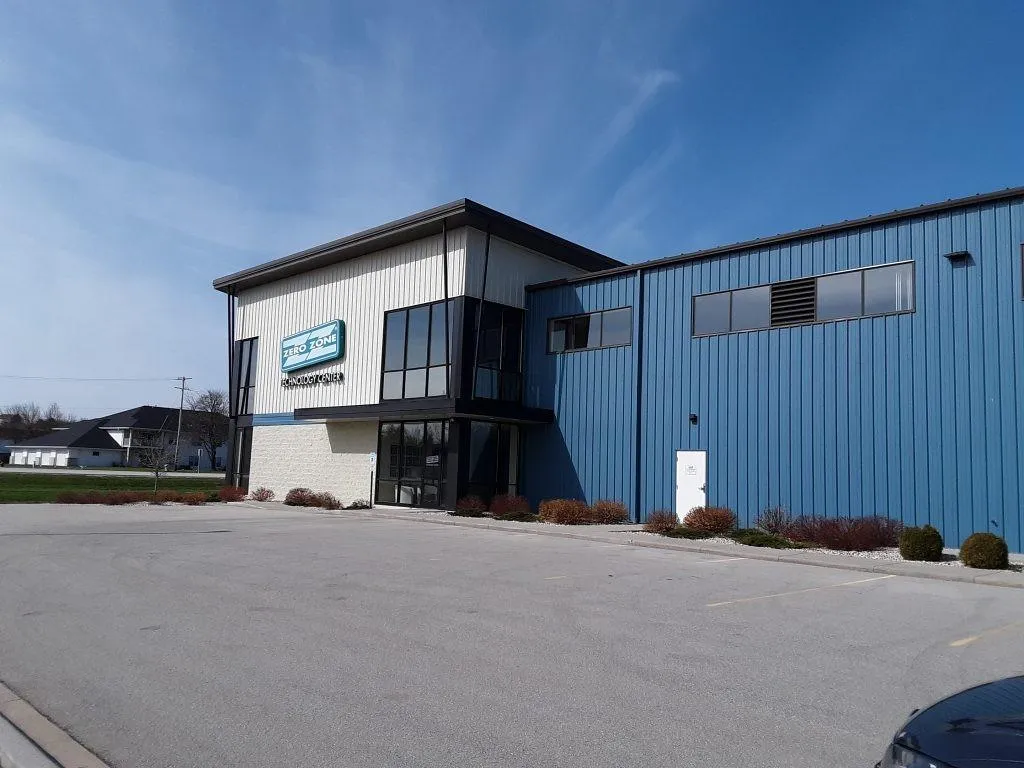
Metal roofing with reflective coatings dramatically reduces cooling costs during warm months. These cool roof systems reflect solar radiation rather than absorbing it, keeping roof surfaces 50 to 60 degrees cooler than traditional dark roofing materials. In states like Indiana, Iowa, and Ohio, where summer temperatures regularly reach the upper 80s and 90s, cool roofing delivers measurable savings.
HVAC System Efficiency in Metal Structures
Properly insulated metal buildings require smaller heating and cooling systems than comparable traditional structures. Right-sizing HVAC equipment saves money upfront on equipment purchase and installation. The tight building envelope allows systems to maintain consistent temperatures with less runtime. For retail operations with variable occupancy throughout the day, this responsiveness prevents energy waste during periods of low demand.
LED Lighting Integration and Electrical Efficiency
Metal building construction simplifies the installation of energy-efficient LED lighting systems. Open ceiling designs allow for optimal fixture placement without structural obstacles. LED technology uses 75 percent less energy than traditional incandescent lighting and lasts 25 times longer. Motion sensors and daylight dimming controls further optimize electricity consumption in storage areas and low-traffic zones.
Conclusion
Energy efficiency in commercial metal buildings is not just about cutting costs, but also about making strategic investments that pay dividends year after year. For retail business owners across Michigan, Minnesota, Missouri, and beyond, steel construction offers proven advantages that conventional buildings cannot match. Lower utility bills mean more capital available for inventory, marketing, and growth initiatives that drive revenue.
At Foremost Buildings, we have helped multiple retail owners throughout the Midwest create cost-effective, high-performance facilities. Our team understands that your building should work as hard as you do, delivering comfort for customers while keeping expenses manageable. Ready to explore how steel construction can benefit your retail operation? Call 920-674-6746 today.
Frequently Asked Questions
How much can retail stores save with energy-efficient metal buildings?
Most retail operations see a 25 to 40 percent reduction in energy costs compared to conventional construction. Actual savings depend on building size, insulation levels, HVAC efficiency, and local utility rates. Stores with refrigeration equipment often experience even greater savings.
Do metal buildings work well in extreme Midwest weather?
Yes, steel structures can withstand temperature extremes, ranging from subzero winters to hot, humid summers. Proper insulation and vapor barriers prevent condensation issues. Metal roofing sheds snow efficiently and withstands high winds better than traditional materials.
Can I customize the appearance of a metal retail building?
Absolutely. Modern metal buildings offer extensive exterior finish options, including brick veneer, stone facades, stucco panels, and various metal panel profiles. You can achieve any aesthetic from traditional storefront to contemporary design while maintaining energy efficiency benefits.
What is the construction timeline for a commercial metal building?
Most retail metal buildings are completed in 3 to 5 months from design approval to move-in. Pre-engineered components arrive ready for assembly, which significantly speeds up the process compared to conventional construction.