
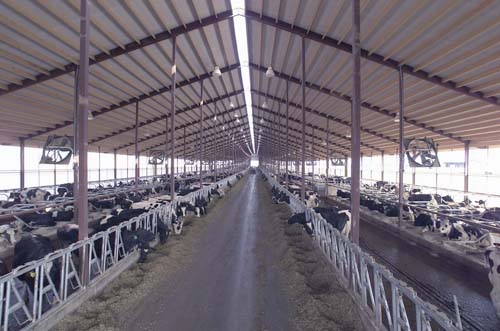
Illinois farmers face unique challenges when housing livestock, storing equipment, or protecting harvests. Metal barn construction from Foremost Buildings offers durability and longevity that traditional wood structures cannot match, but proper ventilation design separates successful facilities from problematic ones. Understanding how air movement affects animal health, grain quality, and structural integrity enables you to design barns with Foremost Buildings that perform reliably for years to come.
Proper ventilation in metal barns is crucial for Illinois farmers to maintain animal health, equipment integrity, and crop quality. With Illinois’ climate extremes, effective airflow prevents condensation, reduces moisture, and controls temperature fluctuations. Natural and mechanical ventilation systems, such as ridge vents, exhaust fans, and insulated panels, help optimize these conditions for livestock housing, machinery storage, and grain barns, ensuring long-term productivity and cost savings.
Why Ventilation Matters in the Illinois Climate
Illinois experiences hot, humid summers and cold winters that create condensation risks inside metal structures. Poor ventilation traps moisture, leading to rust on equipment, mold in stored feed, and respiratory issues in livestock. Cattle, hogs, and poultry all require fresh air circulation to maintain health and productivity.
Temperature regulation through proper airflow helps reduce stress on animals during summer heatwaves. Dairy cows produce less milk when temperatures exceed 80 degrees without adequate cooling. Poultry operations see reduced egg production and increased mortality in poorly ventilated barns. Strategic ventilation design addresses these challenges while controlling heating costs during the winter months.
Natural Ventilation Design Principles
Ridge vents along the roof peak allow hot air to escape naturally. Hot air rises, creating positive pressure at the highest point of your barn. Continuous ridge vents running the entire length of the building provide unrestricted exhaust for increased heat and moisture. This passive system works year-round without electricity costs or mechanical failures.
Sidewall openings or eave vents supply fresh air intake. For natural ventilation to function correctly, the intake area should be equal to or greater than the exhaust area. Many farmers make the mistake of installing large ridge vents but insufficient sidewall ventilation, creating negative pressure that restricts airflow. Balanced intake and exhaust ensure continuous air movement through the entire barn.
Mechanical Ventilation for Livestock Housing
Confined livestock operations require mechanical ventilation systems that provide consistent air exchange regardless of outdoor conditions. Exhaust fans mounted in sidewalls or gables pull stale air out while fresh air enters through controlled inlets. This system allows precise management of air quality, temperature, and humidity levels.
Fan capacity calculations depend on animal type, building volume, and seasonal requirements. Dairy barns typically require 4 to 6 complete air changes per hour during the summer. Working with experienced barn builders ensures that your mechanical system matches operational demands without oversizing equipment, which wastes electricity.
Controlling Condensation in Cold Months
Winter condensation occurs when warm, moist air from livestock or stored grain comes into contact with cold metal surfaces. Water droplets form on roof panels and framing, dripping onto animals, equipment, and stored products. Vapor barriers installed on the warm side of insulation prevent interior moisture from reaching cold surfaces, thereby maintaining a dry environment.
Continuous winter ventilation remains essential even when temperatures drop below freezing. Insulated metal panels reduce the temperature differential between the interior air and the roof surface, minimizing the potential for condensation. Illinois farmers should specify a minimum of R-19 wall insulation and R-30 roof insulation for their livestock housing to control condensation effectively.
Equipment Storage Ventilation Strategies
Machinery sheds storing tractors, combines, and implements need different ventilation approaches than livestock barns. Equipment generates no internal heat or moisture, so natural ventilation through strategically placed openings typically suffices. Louvered gable vents combined with open sidewalls or large sliding doors provide adequate air movement.

Protect expensive electronics and hydraulic systems from humidity damage by ensuring that air circulation reaches all areas of the building. Dead air pockets in corners or behind equipment rows create condensation zones. Simple additions, such as turbine vents or cupolas, enhance airflow without requiring electricity or ongoing maintenance.
Grain Storage Barn Ventilation Requirements
Storing corn, soybeans, or hay inside metal barns demands moisture control to prevent spoilage. Grain bins within barns need dedicated aeration systems, but the barn itself requires ventilation to manage humidity from grain respiration. Even properly dried grain releases moisture over time, especially during temperature fluctuations.
Ridge vents combined with sidewall louvers create airflow that carries moisture away from stored crops. For hay storage, mechanical fans may be necessary during initial curing periods when moisture levels remain higher. Monitoring humidity inside grain storage areas helps you adjust ventilation rates according to the season.
Calculating Ventilation Needs for Your Operation
Begin by calculating the building’s total volume in cubic feet to understand its capacity. Multiply length times width times average height to determine total space. Livestock barns require air exchange rates based on the number and type of animals. Equipment and grain storage barns utilize lower exchange rates, focusing on moisture removal rather than temperature control.
Summer ventilation rates typically run 3 to 5 times higher than winter rates. Variable-speed fans or multiple fan stages enable adjustment according to seasonal needs. Thermostats and humidistats automate fan operation, running equipment only when conditions require intervention.
Conclusion
Proper ventilation transforms metal barn construction from a simple shelter into a productive agricultural facilities. Illinois farmers who prioritize airflow during the design phase avoid costly problems with animal health, equipment deterioration, and crop storage losses. Whether you raise livestock, store machinery, or house harvests, ventilation strategies must match your specific operational requirements.
At Foremost Buildings, we help Illinois farmers throughout Chicago suburbs, Rockford, Peoria, Springfield, and rural communities design metal barns with ventilation systems proven across thousands of Midwest installations. Our engineering team calculates airflow requirements, recommends equipment specifications, and details construction methods that deliver reliable performance. Ready to discuss your agricultural building project? Contact our Jefferson, Wisconsin, team at 920-674-6746 to begin planning a metal barn that will protect your operation for generations.
Frequently Asked Questions
How many ridge vents does my barn need?
Continuous ridge vents running the entire building length work best. For naturally ventilated barns, the ridge opening should measure 2 inches wide for every 10 feet of building width. A 60-foot-wide barn needs a 12-inch continuous ridge vent to provide adequate exhaust capacity.
Can I use fans and natural ventilation together?
Yes, hybrid systems work well in the Illinois climate. Natural ventilation handles mild weather, while mechanical fans provide backup during extreme heat or when housing livestock. Design intake and exhaust areas to function passively, then add fans for supplemental air movement during periods of peak demand.
What causes frost buildup inside metal barns during winter?
Excessive interior humidity combined with inadequate ventilation creates frost on cold surfaces. Livestock respiration, manure decomposition, and water sources all add moisture to barn air.
Do insulated metal panels eliminate the need for ventilation?
No, insulation reduces the risk of condensation, but it does not replace ventilation requirements. Animals and stored products still generate moisture and heat that must be removed. Insulation enhances the effectiveness of ventilation systems by reducing the temperature difference between indoor and outdoor air.
How often should I clean barn ventilation equipment?
Inspect fans, louvers, and inlets on a quarterly basis. Dust, cobwebs, and debris restrict airflow, forcing equipment to work harder and more efficiently. Clean fan blades and housings annually, and replace worn belts or damaged shutters promptly. Well-maintained ventilation systems last 15 to 20 years with minimal repairs.