
When you’re making a metal structure in Indiana, winter preparation isn’t optional; it’s essential. The state’s harsh winters demand thoughtful insulation strategies that go beyond basic installation. At Foremost Buildings, we’ve learned through decades of construction experience that proper thermal planning makes the difference between a comfortable, energy-efficient facility and one that drains your budget every heating season.
Cold-formed steel buildings in Indiana require special winter insulation planning due to the state’s extreme temperature fluctuations and moisture concerns. Proper insulation addresses thermal bridging, prevents condensation, and improves energy efficiency. Materials like spray foam and rigid board insulation are essential for managing heat loss, ensuring comfort, and reducing heating costs during harsh winters.
Indiana’s Unique Climate Challenges
Indiana experiences temperature swings that test the thermal performance of any structure. From frigid January mornings dropping below zero to humid summers reaching the mid-80s, your building envelope must handle extreme variations. Lake-effect snow in the northern counties adds another layer of complexity, creating moisture management concerns that southern regions don’t face as severely.
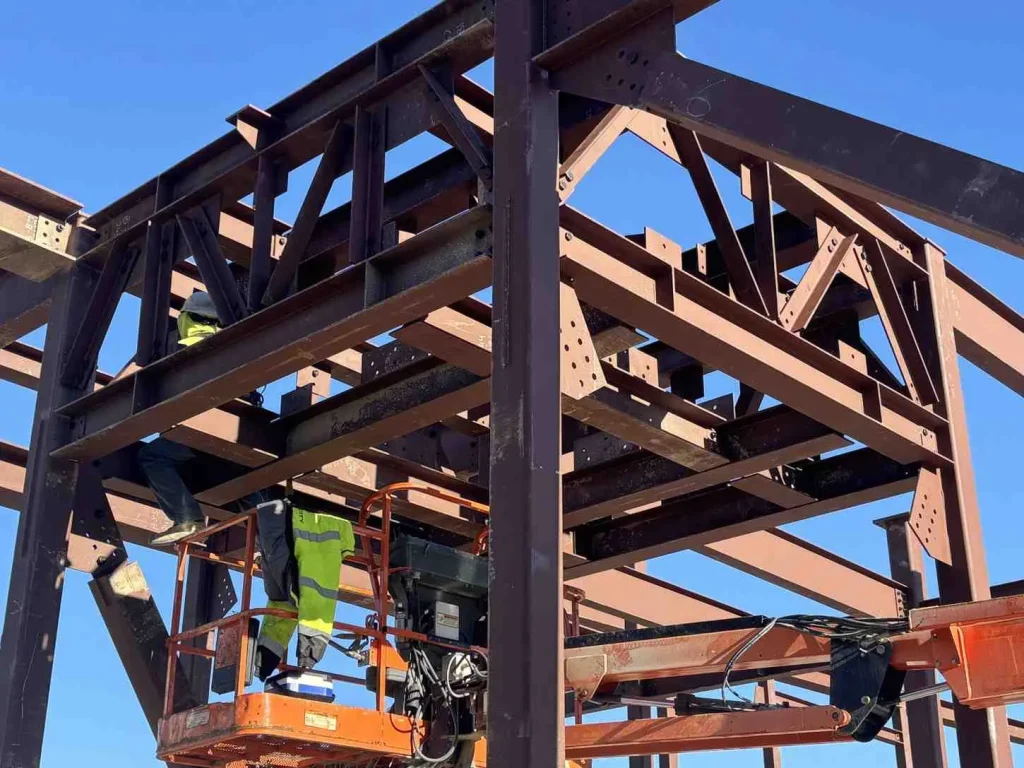
Cold-formed steel conducts heat rapidly, creating vulnerability without proper insulation. This thermal conductivity means warmth escapes quickly during winter months, forcing HVAC systems to work overtime. Thoughtful insulation planning addresses this challenge from the design phase forward.
Thermal Bridging: The Hidden Energy Thief
Metal framing creates pathways for heat loss, known as thermal bridges. These occur wherever steel components connect, allowing cold to transfer directly through the structure. During Indiana’s prolonged winter season, unaddressed thermal bridging can increase heating costs by 30% or more.
Continuous insulation installation breaks these thermal pathways. We recommend placing insulation layers outside the structural framing to create an uninterrupted thermal barrier. This approach dramatically improves R-value performance across the entire building envelope.
Moisture Control Winter Conditions
Indiana’s winter humidity levels pose a risk of condensation inside metal structures. When warm interior air meets cold steel surfaces, water droplets form. Left unchecked, this moisture can damage stored equipment, compromise structural integrity, and create unhealthy indoor environments.
Vapor barriers, when properly installed, prevent moisture migration through wall assemblies. We strategically place these barriers on the warm side of the insulation, preventing humid air from reaching cold surfaces. Proper ventilation design complements this strategy, allowing any trapped moisture to escape rather than accumulate.
Insulation Material Selection for Agricultural Buildings
Farmers in Indiana choosing steel barns for livestock or equipment storage need insulation that withstands the harsh agricultural conditions. Spray foam insulation offers an excellent R-value while sealing air gaps that fiberglass batts may miss. However, rigid board insulation provides superior durability in high-traffic areas where animals or machinery might impact walls.
Temperature stability matters tremendously for dairy operations and climate-sensitive equipment. Inadequate insulation creates temperature fluctuations that stress livestock and damage precision farming technology. We typically recommend R-30 roof insulation and R-19 wall insulation as baseline values for agricultural applications.
Commercial and Industrial Considerations
Warehouses and manufacturing facilities face different insulation requirements than agricultural structures. Employee comfort, product storage conditions, and process equipment all play a role in thermal planning. Indiana’s energy codes establish minimum standards, but exceeding these requirements pays dividends through reduced operating expenses.
Reflective insulation systems are particularly well-suited for commercial applications. These assemblies reflect radiant heat rather than absorbing it, maintaining stable interior temperatures with less thermal mass. Combined with traditional batt or spray foam insulation, reflective barriers create highly efficient thermal envelopes.
Cost-Effective Strategies for Winter Performance
Insulation represents an investment that returns value throughout your building’s lifespan. While premium insulation systems increase upfront construction costs, the energy savings typically achieve payback within five to seven years. Beyond financial returns, proper insulation extends equipment life, improves occupant comfort, and reduces environmental impact.
We often suggest phased insulation approaches for budget-conscious projects. Prioritizing roof insulation delivers the most significant impact, since heat rises and roof surfaces experience the largest temperature differences. Wall and floor insulation can follow in subsequent phases as budgets allow.
Conclusion
Don’t let Indiana winters catch you unprepared. Whether you’re planning a new agricultural barn, commercial warehouse, or industrial facility, proper insulation design protects your investment and ensures year-round comfort. The initial investment in quality insulation materials and professional installation pays dividends every single winter. Reduced heating costs, improved employee productivity, better product storage conditions, and extended equipment lifespan all contribute to your bottom line. More importantly, you gain peace of mind knowing your building can handle whatever Indiana weather throws at it.
Contact Foremost Buildings at 920-674-6746 to discuss your project requirements. Our Jefferson, Wisconsin, team serves clients throughout the Midwest, bringing expertise that transforms cold-formed steel structures into highly efficient and comfortable spaces, regardless of the season.
Frequently Asked Questions
What R-value insulation is required for a steel building in Indiana?
We recommend a minimum R-30 for roofs and R-19 for walls in most Indiana applications. Agricultural operations with livestock or temperature-sensitive storage often benefit from higher insulation values, such as R-38 roofs and R-25 walls. Your specific needs depend on building use, heating system efficiency, and local energy codes.
Can I add insulation to an existing metal building?
Yes. Retrofit insulation is standard for older structures. Blown-in insulation fills cavities without wall disassembly, while spray foam provides excellent results with more preparation. We assess your current structure and recommend cost-effective upgrade strategies.
How does condensation form in steel buildings during winter?
Condensation occurs when warm, humid interior air comes into contact with cold steel surfaces. The temperature difference causes moisture to convert to water droplets. Without proper vapor barriers and ventilation, this leads to rust, mold growth, and damaged stored items.
Does spray foam insulation work better than fiberglass batts?
Each insulation type has advantages. Spray foam offers superior air sealing and a higher R-value per inch, but it is more expensive. Fiberglass offers good thermal resistance at a lower cost. Many projects benefit from combining both spray foam in critical areas and fiberglass in standard sections.
How long does building insulation last in Indiana’s climate?
Quality insulation installed correctly lasts 30 years or more. Spray foam doesn’t settle or degrade; fiberglass maintains performance when protected from moisture; and rigid board resists compression. Proper vapor barriers and ventilation ensure long-term performance.
What’s the typical payback period for premium insulation in Indiana?
Most operations achieve payback within 5 to 7 years through reduced heating costs. Buildings with high heating demands often achieve payback faster, sometimes within three years. Beyond energy savings, improved insulation enhances comfort, protects stored goods, and increases property value.