
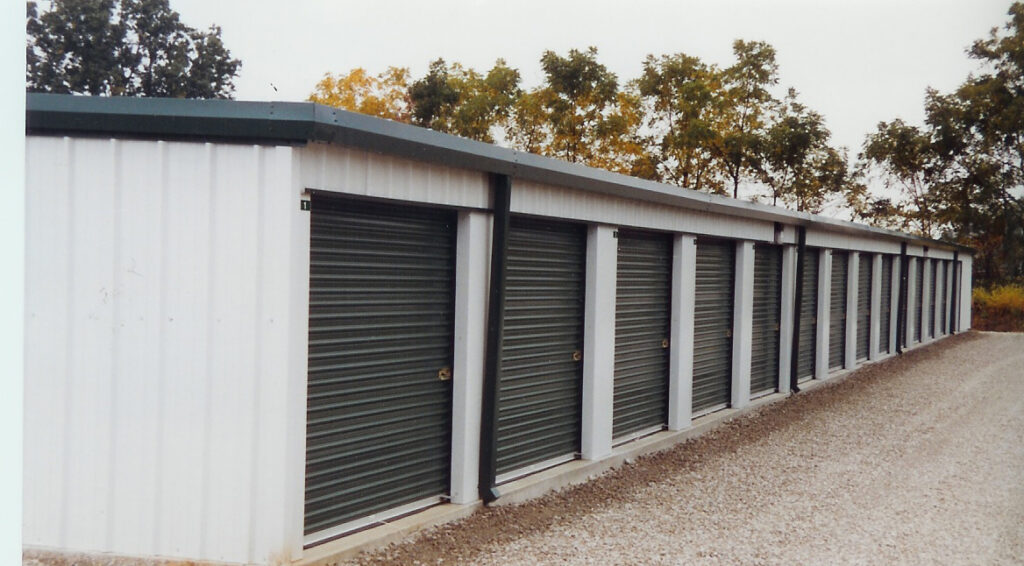
Building a self-storage facility is a substantial investment expected to generate steady income for decades. However, many Wisconsin property owners make critical sizing mistakes during the planning phase, which limits profitability and creates operational headaches. After completing hundreds of storage projects across the Midwest, we have identified the most common errors and how to avoid them.
Common sizing mistakes in self-storage facilities in Wisconsin include underestimating demand for large units, ignoring vehicle storage opportunities, and misjudging the need for climate-controlled spaces. Proper market research, a balanced unit mix, and compliance with accessibility requirements help ensure facilities meet local demand and maximize profitability.
Underestimating Demand for Large Units
One of the most common mistakes in self-storage development is focusing too heavily on smaller units while neglecting the market for larger spaces. Many developers assume that 5×5 and 5×10 units will account for the majority of rentals, but data from Wisconsin and similar markets consistently show strong, ongoing demand for 10×20 and 10×30 units. Larger units appeal to a wide range of customers, including families who are downsizing or transitioning between homes, businesses that need space to store inventory or seasonal equipment, and contractors or equipment owners who require secure storage for bulky tools and machinery.
By underestimating the demand for these larger units, developers risk leaving a significant segment of potential renters underserved, ultimately impacting occupancy rates and long-term revenue potential. Incorporating a balanced mix of unit sizes, including a healthy portion of large units, ensures that a facility can meet diverse needs and remain competitive in Wisconsin’s dynamic self-storage market.
Ignoring Vehicle Storage Opportunities
Wisconsin’s recreational culture creates a massive demand for boat, RV, and trailer storage. Facilities that fail to include covered or uncovered vehicle storage miss lucrative revenue streams. Outdoor parking spaces cost minimal money to develop but generate substantial monthly income, representing nearly pure profit after initial site preparation.
Covered vehicle storage appeals to owners protecting investments from harsh Wisconsin winters. Simple canopy structures or partially enclosed bays meet the needs of this market segment at premium rates. Many successful facilities derive 20 to 30 percent of total revenue from vehicle storage, yet first-time developers often overlook this opportunity entirely.
Building Insufficient Climate-Controlled Space
Wisconsin’s extreme temperatures create strong demand for climate-controlled storage. Furniture, electronics, documents, and collectibles require protection from humidity and temperature swings; facilities without adequate climate control struggle to attract premium customers willing to pay higher rates.
The key mistake isn’t installing climate control, it’s misjudging the needed capacity. Conservative developers allocate only 20 to 30 percent of space to climate-controlled units, then watch waiting lists grow while standard units sit empty. Successful facilities typically feature 50 to 60 percent climate-controlled space, especially in urban markets like Milwaukee, Madison, and Green Bay, where customer expectations run higher.
Improper Unit Size Distribution
Every market has unique characteristics, but copying generic unit-mix templates can lead to problems. A facility near university housing needs a different sizing than one serving rural agricultural communities. College students require small, affordable units for semester breaks. Farm families need large spaces for seasonal equipment and bulk storage.
Conducting proper market research before finalizing the unit mix prevents costly mistakes. Visit nearby storage facilities to see which unit sizes are empty. Discuss your storage needs with local moving companies. Ask potential customers what sizes they require. This groundwork ensures your facility matches actual demand rather than national averages.
Ignoring ADA Compliance
Accessibility requirements affect more than just entry doors and hallways. Ground-floor climate-controlled units must meet specific dimensional standards. Failure to plan adequate ADA-compliant units during the design phase can lead to costly retrofits or expose the project to legal liability. Wisconsin facilities require a sufficient number of accessible units, typically 2-5% of the total unit count.
Beyond legal requirements, accessible units serve elderly customers who represent growing market segments. Easy-access ground-floor units with wide doors command premium rates from customers valuing convenience over the absolute lowest price.
Conclusion
Avoiding sizing mistakes during self-storage construction planning saves money and maximizes long-term profitability. Wisconsin’s diverse markets, from Superior to Kenosha, each present unique challenges that require thoughtful analysis rather than cookie-cutter approaches. The most successful facilities result from careful market research, realistic demand projections, and experienced guidance during the design phase.
At Foremost Buildings, our three decades of experience in constructing storage facilities throughout Wisconsin and neighboring states have given us valuable insights into what works in Midwest markets. Whether you are building your first facility in Illinois or expanding an existing operation in Minnesota, proper sizing decisions made upfront determine success for years to come. Contact our Jefferson team at 920-674-6746 to discuss your self-storage project and ensure your facility meets market demand efficiently.
Frequently Asked Questions
What is the most profitable self-storage unit size in Wisconsin?
Units between 10×10 and 10×20 typically offer the best balance of demand and revenue. They accommodate diverse customer needs, ranging from household goods to business inventory, while generating a substantial monthly income.
How many climate-controlled units should a Wisconsin facility include?
Plan for 50-60% climate-controlled space in urban and suburban markets. Rural locations can manage 40 percent, but it’s better to have extra. Wisconsin’s humidity and temperature swings make climate control a significant selling point that justifies premium pricing.
Should I include outdoor storage in my facility design?
Yes, especially in Wisconsin, where recreational vehicle ownership runs high. Outdoor parking generates excellent returns with minimal development cost.
What unit sizes do Wisconsin customers rent most frequently?
Market research shows consistent demand for 10×10, 10×15, and 10×20 units across most Wisconsin markets. Small 5×5 units fill quickly in college towns, while agricultural areas need more 10×30 and larger spaces. Analyze your specific market rather than relying on statewide averages.